
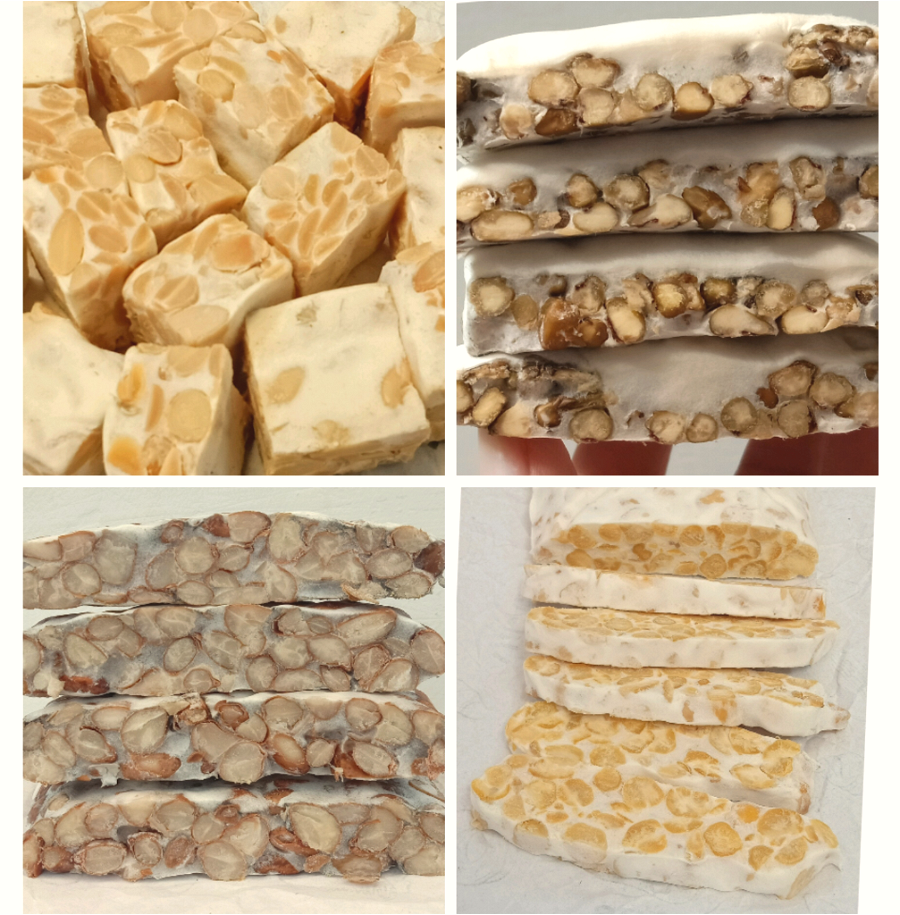
Interested in making your own soy and/or non-soy tempeh at home? Join my free WhatsApp group Homemade Tempeh (Recipes, Tips, & More)!
I love tempeh! I have been eating the store-bought variety for a long time, and honestly, I was quite happy with it. I know many people don’t really like store-bought tempeh, but it wasn’t an issue with me. So why did I even start making my own? I run this Vegan Food Group on WhatsApp, where we talk about everything related to vegan food, and one of our members, Maneesh, shared an image of the tempeh he grew at home. I was very much inspired by his post and decided to start making my own as well. I watched lots of YouTube videos, read through numerous Reddit threads and blog posts, and finally took the plunge.
Read more: Homemade Tempeh: Tips for BeginnersIf you are curious about the health benefits of eating tempeh, here is a great Instagram channel by Dr. Ando Ahnan-Winarno to follow with in-depth information on this topic.
Now, talking about making your own tempeh at home, here are a few things you need to know as a beginner:
About the Base Ingredients
1. You can make homemade tempeh with not just soy beans but also other legumes like chickpeas, sabut moong dal, sabut urad dal, chana dal, black beans, etc.
2. Nuts and seeds like almond, cashew, pumpkin seed, sunflower seed, etc., can also be used to make homemade tempeh.
3. Do NOT try to make homemade tempeh with corn or any coconut products. Fermenting corn or coconut products carries the risk of food poisoning.
4. If you are a beginner, start with basic, tried and tested options like soy beans, sabut moong dal, chickpeas, etc., before experimenting with other fancier ingredients.
About the Tempeh Starter Culture
1. You first need to buy a tempeh starter culture to grow your own tempeh at home. A tempeh starter culture is a powdered blend of live mold spores (most commonly Rhizopus oligosporus) mixed with a carrier such as a rice or soy base. I use the Alla Posh brand.
2. Both soy tempeh starter culture and non-soy tempeh starter culture can be used to grow both soy and non-soy tempeh at home. However, if you are allergic to soy and want to make non-soy tempeh at home without any risk of cross-contamination, ensure that you buy “non-soy tempeh starter culture.”
3. It is possible to make your own tempeh starter culture at home, but it is not for beginners, so we won’t go there now.
About the Process
1. The beans should be soaked overnight and cooked al dente, i.e., perfectly cooked, firm, and not mushy.
2. Avoid adding salt or baking soda to the beans while soaking or cooking. Use only plain water for soaking and cooking the beans.
3. Adding a little vinegar to the cooked beans helps in reducing the risk of contamination while promoting the growth of favourable tempeh mushrooms.
4. The cooked beans should be air-dried thoroughly before mixing in the starter culture (inoculation).
5. At the time of inoculation, the beans should be 100% dry to the touch on the surface. Any excess moisture on the surface of the beans can lead to spoilage or contamination.
6. Mixing the starter culture powder with 1-2 teaspoons of rice flour or besan before adding to the beans helps in the more uniform distribution of the mold spores.
7. Tempeh is traditionally grown wrapped in banana leaves. However, in the modern day, many people use Ziploc bags to grow tempeh in. If you don’t want to use plastic, then you can grow your tempeh in perforated stainless steel trays or perforated “coriander containers” that are readily available in India. However, growing tempeh in Ziploc bags gives the best results, so that is what I recommend.
So, this is the basic information you need before you embark on your tempeh-making adventure! Since different beans come in different sizes and have their own unique properties, there will be a few minor differences in their tempeh-making processes as well (we will discuss these in the specific recipe posts). See ya!
Also see:
How to Know if My Homemade Tempeh is Ready?
11 Varieties of Soy & Non-Soy Tempeh to Make at Home
How to Make Homemade Tempeh Starter?
11 Exciting Ideas to Use Tempeh in Indian Cuisine
[…] out this post, Homemade Tempeh: Tips for Beginners, for the basic tips before you […]
[…] Read this blog before you start making your own tempeh at home: Homemade Tempeh: Tips for Beginners […]
[…] own tempeh in a standard Indian kitchen. I don’t even have a kitchen scale! Check out this post, Homemade Tempeh: Tips for Beginners, for the basic tips before you […]
[…] before I started making tempeh at home using a commercial starter culture, I wondered if it was possible to make tempeh starter […]
[…] It can be made easily in an Indian kitchen with basic cutlery/equipment. Check out this post, Homemade Tempeh: Tips for Beginners, for basic […]
[…] You can comfortably grow different types of tempeh in a simple Indian home. Check out this post, Homemade Tempeh: Tips for Beginners, for the basic tips before you […]
[…] Homemade Tempeh: Tips for Beginners […]
[…] Homemade Tempeh: Tips for Beginners […]
[…] out this post, Homemade Tempeh: Tips for Beginners, for the basic tips before you […]